News & insights

LawDB News

Real stories. Practical advice. All in one place.

Stay informed with the latest legal news, helpful articles and expert insights from the lawyers and firms listed on LawDB. Every article is written by the firm that publishes it; we gather them here so you can understand a complex topic before you pick up the phone.

700FIRMS WRITING
9147RECENT ARTICLES
Nov 28LATEST STORY
Show all firms

The Riley Firm Supports Hope In Every Step

Supporting women and families facing difficult circumstances requires compassion that extends beyond the legal services we provide. At The Riley Divorce & Family Law Firm, we believe meaningful community involvement is an important part of helping people build safer and more secure futures. Our team recently participated in Hope in Every Step, a charity walk...

High-Net-Worth Divorce in Halifax: Protecting Complex Assets

Divorce is already complicated, but when significant wealth, business interests, investments, and multiple properties are involved, the stakes are much higher. For high-net-worth couples, ending a marriage involves more than just deciding who gets the family home or how bank accounts will be divided. It involves a careful valuation of assets, liabilities, income, and ownership...

Dividing Business Interests During a Divorce

For business owners, divorce can create unique financial and legal challenges. A privately owned company, professional practice, partnership, or family business may represent years of hard work and a significant portion of a couple’s wealth. The first question is usually, “What happens to the company?” In Nova Scotia, the answer is more nuanced than a...

Hidden Assets in a Halifax Divorce: How to Protect Your Fair Share

Hidden assets can complicate property division during a divorce, potentially leaving one spouse with less than their fair share of the family’s wealth. In Nova Scotia, married spouses generally have a right to an equal division of matrimonial assets, making full and honest financial disclosure an important part of the separation process. A spouse may...

How Is Child Support Calculated?

During a divorce, one of the biggest financial questions can be how child support is decided. Many assume parents negotiate the amount or that it’s based on what the receiving parent needs. In Nova Scotia, that decision is determined using established guidelines. The amount of child support generally depends on the paying parent’s income, the...

T
Read the story

Do I Need a Lawyer for a Separation Agreement in Nova Scotia?

Separation agreements settle the practical issues after a relationship ends, including property, debt, support, and parenting arrangements. You don’t necessarily need a lawyer to draft or sign a separation agreement in Nova Scotia. However, legal advice from a Halifax family lawyer can give you peace of mind by identifying overlooked issues and helping you understand...

T
Read the story

Can I Travel Out of Nova Scotia With My Child After a Separation?

Traveling with your child can get more complicated after a separation. You may want to take them on a vacation, visit relatives in another province, or travel internationally. But if you share parenting responsibilities with your former partner, traveling with your child raises important legal considerations. Do you need the other parent’s permission? What if...

T
Read the story

Urgent vs Emergency Motions: Which One Do You Need and How To Get One in Halifax Family Court?

If you are involved in a family law issue, you might face certain situations when you need legal help quickly. Depending on the issue, you might be able to file an urgent motion or an emergency motion. Emergency motions typically involve situations where waiting for a regular hearing date could cause serious, irreversible harm. Many...

T
Read the story

A Step-by-Step Guide to Getting a Divorce in Nova Scotia

Divorce isn’t as easy as saying, “It’s over.” It requires a specific process to end your marriage legally. This process can look different for every couple, especially when both spouses don’t agree on the outstanding issues. Our step-by-step guide will help you prepare by laying out the basic steps so you know what to expect...

T
Read the story

How Does Property Division Work in Common-Law Separations in Halifax?

When a common-law relationship ends in Halifax, dividing property can be more complicated than many couples expect. Married spouses in Nova Scotia have an automatic right to an equal share of each other’s property when they separate. Common-law partners generally do not. Instead, property division depends on factors such as: Legal ownership Joint purchases Written...

T
Read the story

How Do You Change a Spousal Order in Halifax, Nova Scotia: What is a “Material Change” in Circumstance?

A spousal support order in Halifax, Nova Scotia can generally be changed when there has been a material change in the condition, means, needs, or other circumstances of either former spouse since the order was made or last varied. Under section 17 of the federal Divorce Act, either former spouse can apply to vary, suspend,...

T
Read the story

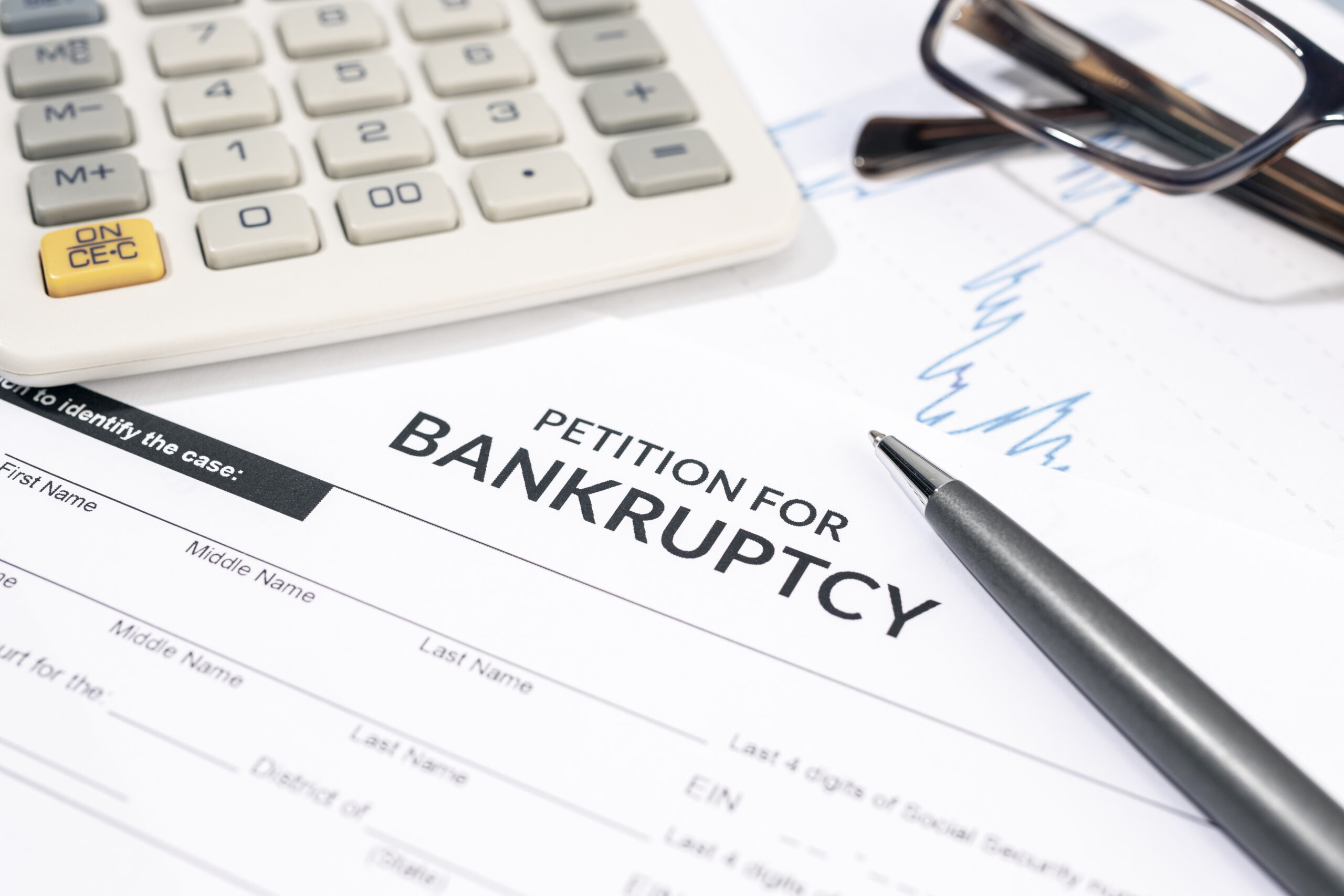
Can Bankruptcy Cancel Spousal Support in Halifax?

Bankruptcy cannot cancel, discharge, or reduce spousal support obligations in Halifax. In fact, under the federal Bankruptcy and Insolvency Act (BIA), spousal and child support debts are specifically excluded from the debts a bankruptcy discharge can eliminate. Even if a Nova Scotia court grants a person a bankruptcy discharge, they remain fully responsible for paying...

T
Read the story

Getting a Parenting Coordinator in Nova Scotia: A Guide For Parents in High-Conflict Divorce

A parenting coordinator is a neutral third party who helps separated or divorcing parents implement an existing parenting plan. In most cases, they step in when parents agree on the big picture but continue clashing over day-to-day details. For instance, a parenting coordinator might help with ongoing parental disputes about: Drop-off times Holiday schedules Extracurricular...

T
Read the story

Understanding Contested vs Uncontested Divorce in Halifax: When Do You Need a Lawyer?

In Halifax, an uncontested divorce means both spouses agree the marriage is over and agree about related issues as well. A contested divorce means that one of the spouses doesn’t agree. The disagreement could stem from the ending of the marriage itself or on issues related to property division, support, or parenting. It’s possible to...

T
Read the story

How Do Family Courts in Nova Scotia Determine the Best Interests of the Child?

When parents separate or divorce, one of the hardest decisions they must make revolves around their child. Where the child will live, how much time they will spend with each parent, and who makes the important decisions can have a lasting impact on the entire family. While each parent may argue why the child would...

T
Read the story

The Financial Risks of Moving Out Before Drafting a Separation Agreement

Moving out before you formalize a separation agreement with your spouse could jeopardize your financial portfolio and your rights to your home. For both average-income couples and high-net-worth individuals, a sudden departure impacts asset valuation timelines and support obligations, while potentially jeopardizing your leverage during negotiations. Protecting your assets during a separation requires sophisticated...

T
Read the story

Relocating with Children: What Ontario Courts Consider

Moving with children to a new area after separation or divorce can create significant legal challenges, especially when parents do not agree about the move. What Ontario courts consider when relocating with children becomes especially important when a parent proposes a move that may affect parenting time, relationships with extended family, and a child’s overall...

T
Read the story

Financial Disclosure in Divorce: A Step-by-Step Guide for Ontario Residents

If you are going through a divorce in Ontario, you may want guidance on what to expect—and for many people, financial disclosure is one of the first and most important steps. While it may sound complicated, the concept is straightforward. Financial disclosure is about ensuring that both spouses share complete and accurate financial information before...

T
Read the story

The Role of Asset Protection Trusts in High-Net-Worth Divorces

Ontario’s Family Law Act provides that property accumulated during a marriage is considered a joint system of income, no matter which spouse acquires it. There are legal ways to protect property during a high-net-worth divorce. For example, the law recognizes prenuptial and postnuptial agreements as valid, but these tactics can become extremely complicated, even involving...

1Legal insights

The firms write

Law firms listed on LawDB publish on their own websites, in their own words. These are real lawyers explaining real situations.

2Firm updates

We bring it together

LawDB collects each new headline, date and short preview and keeps them in one feed, so you don't have to visit ten websites.

3Read & learn

You read the real thing

Tap any story to read the full article on the firm's own site, and contact the firm directly if it speaks to your situation.

Run a law firm?If your website has a blog, LawDB finds it and shows your latest articles here, free, with your logo and a link back to your site. Featured members also get a badge on every story.
For law firms →

Headlines and short excerpts come from each firm's public blog. The articles belong to the firms that wrote them, and the full text is on their websites. LawDB is an independent directory and does not endorse any article or firm.